Original film
Short and long-form narrative, developed and produced in house, from script to final grade.
Adaptation
Turning books and written stories into film, giving authors and publishers a way to see their work on screen.
Worlds & look development
Environments, characters and visual languages for interactive experiences, including faithful recreations of historical places and people for education.
Commercial production
Spots, brand films and product videos. Planning, shooting, editing and delivery.
Lincoln in 1838
Reconstructing the face.
A twenty-nine-year-old Springfield lawyer on the night of the Lyceum Address, clean-shaven, years before the beard and the presidency. No photograph of him from that year exists.
The bone structure, the eyes and nose, and the set of the features are drawn from the photographs of Lincoln that survive; his age, his skin and his coloring are reasoned from there.
The gap in the record, and the earliest photograph
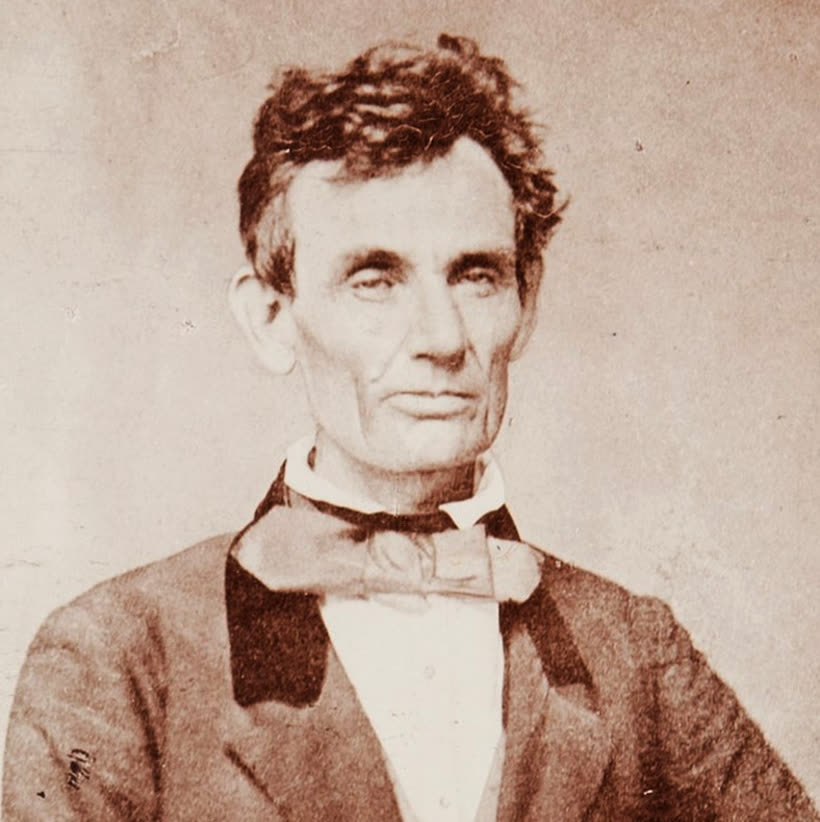
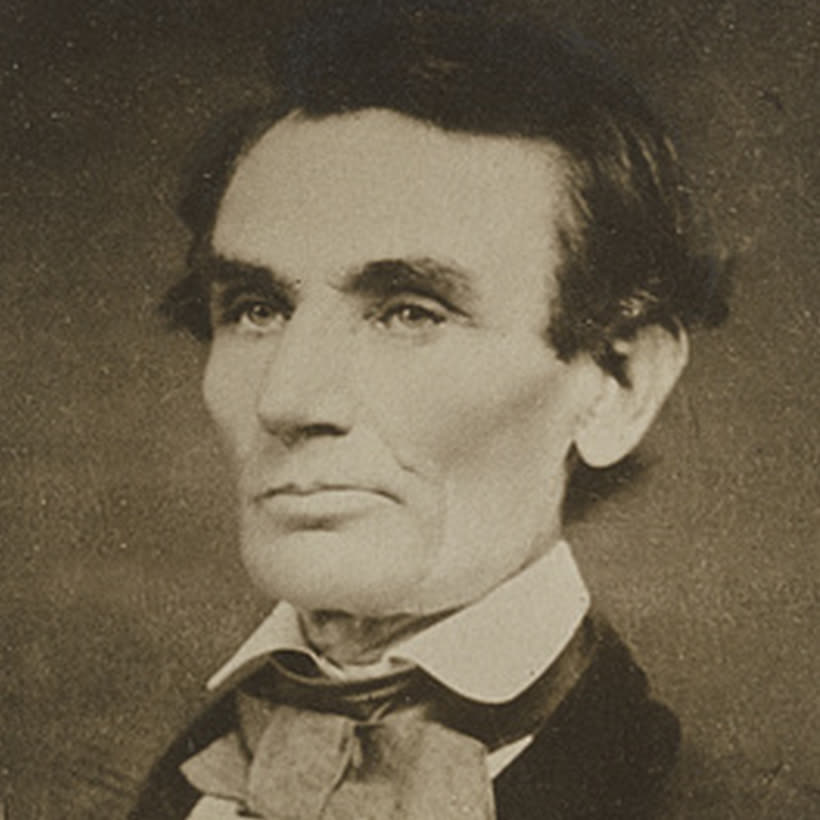
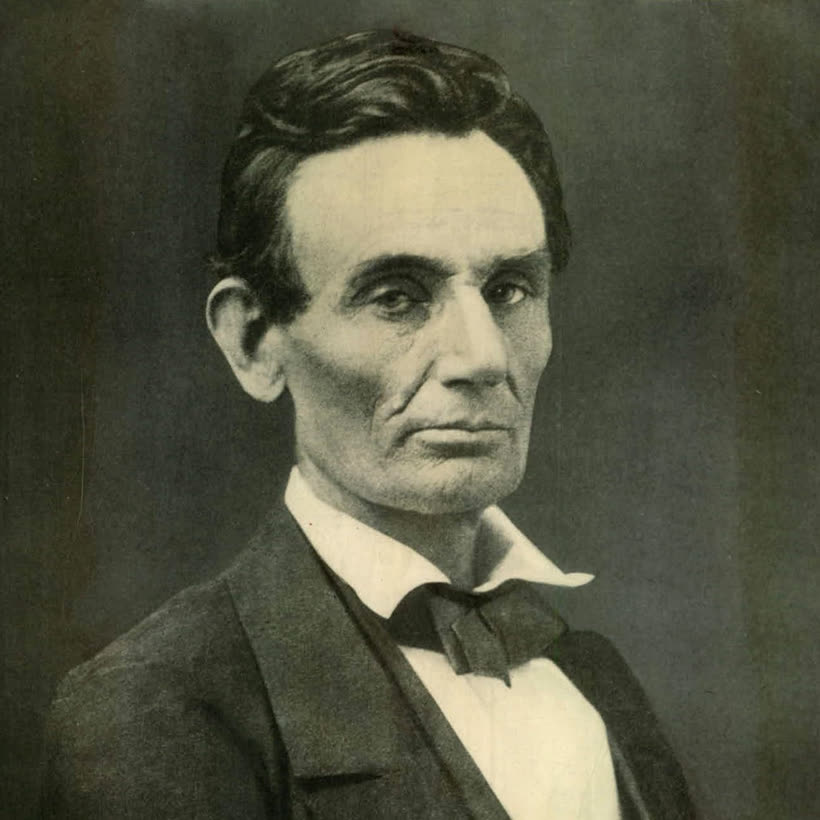
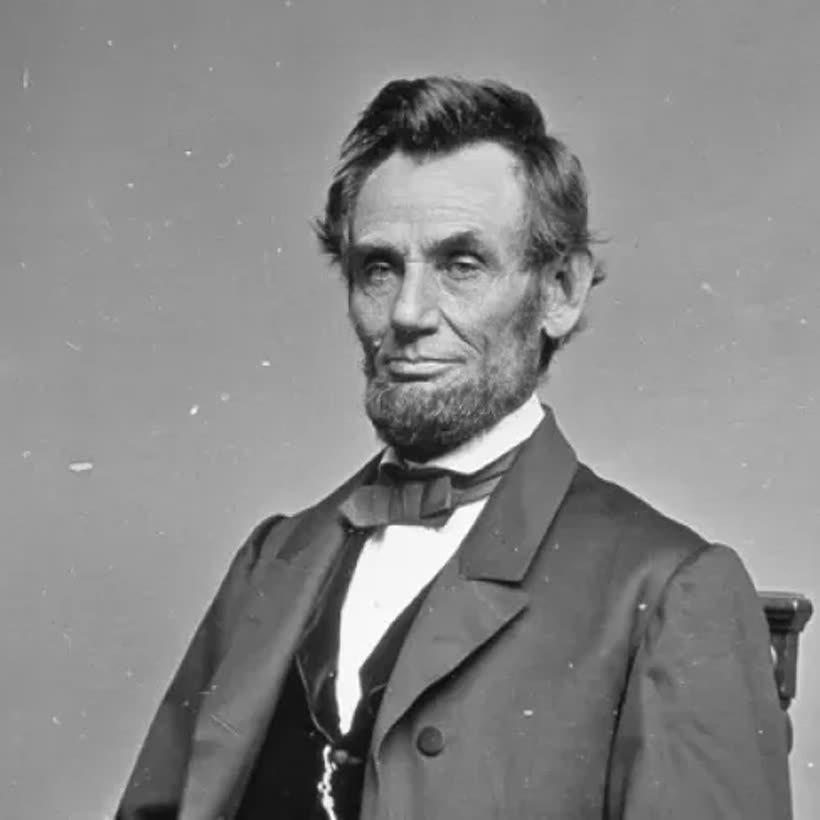
There is simply no photograph of Lincoln from 1838. Photography had barely arrived: the daguerreotype was announced to the world in 1839, a year after the Lyceum Address. The earliest photograph of him that exists was made around 1846, when he was already thirty-seven.
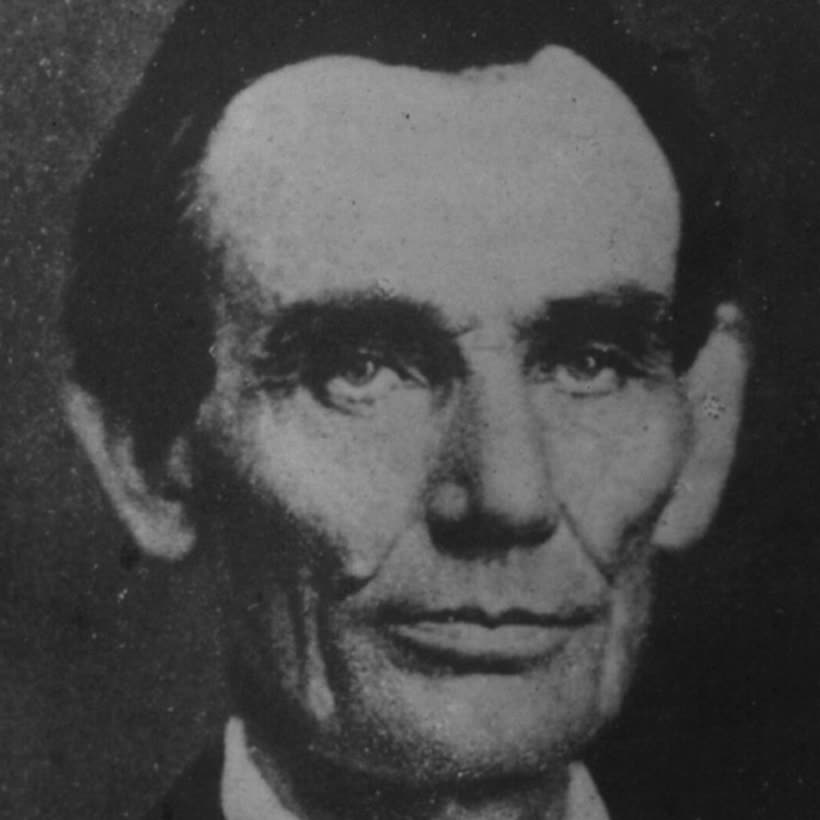
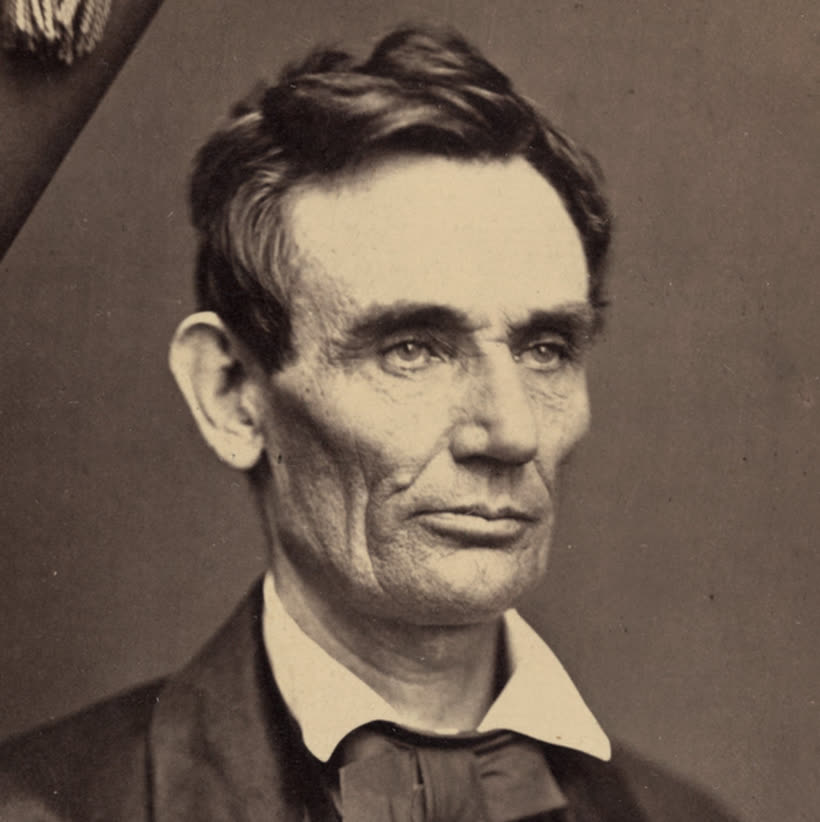
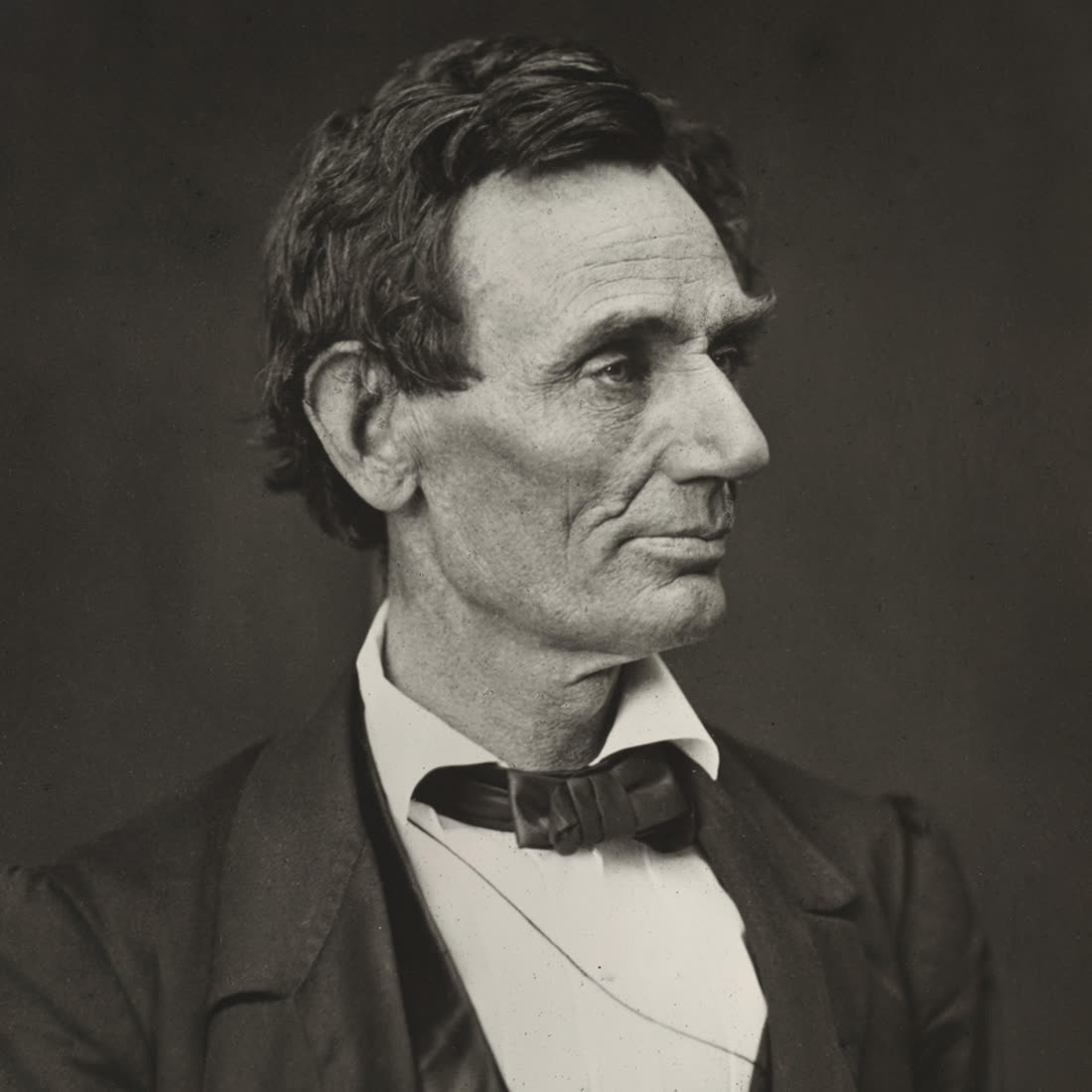
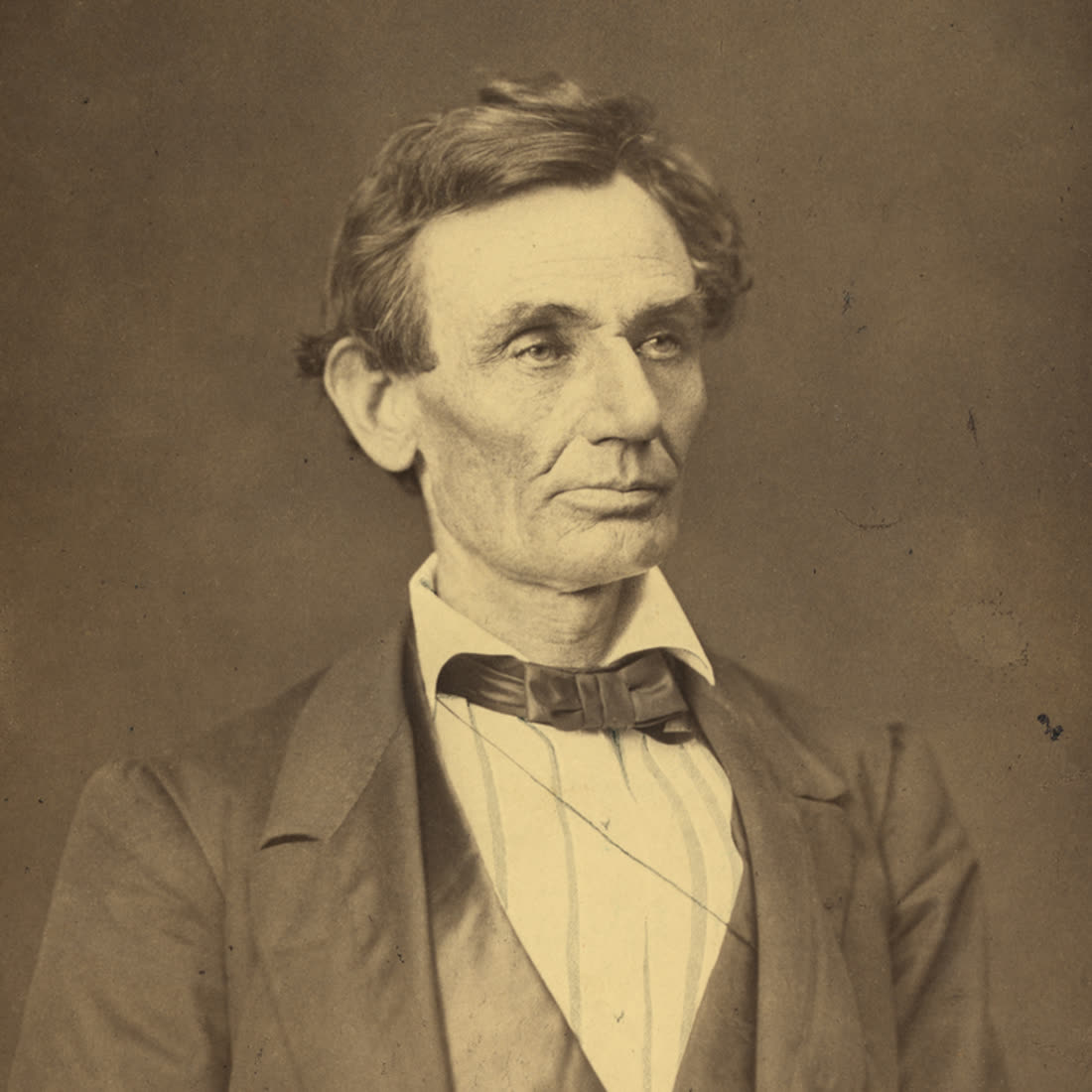
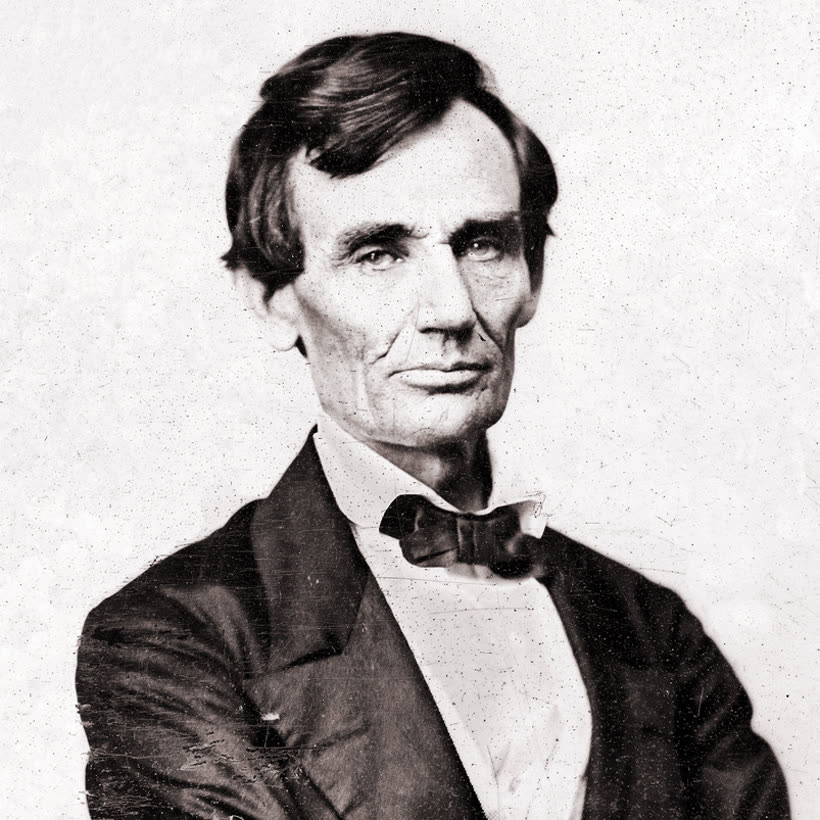
The temptation is to simply build everything from this one photograph, but there is a period account that it was touched up: a clerk from Lincoln’s own law office wrote that the mole and the wrinkles had been worked out of it. And to our eye the nose is a different shape from every other picture of him: where the later photographs show an aquiline nose that curves outward, the 1846 one scoops in, almost upturned. We did not set it aside; we kept it in the training set, and trusted that its quirks would be outweighed by the features the other photographs agree on.
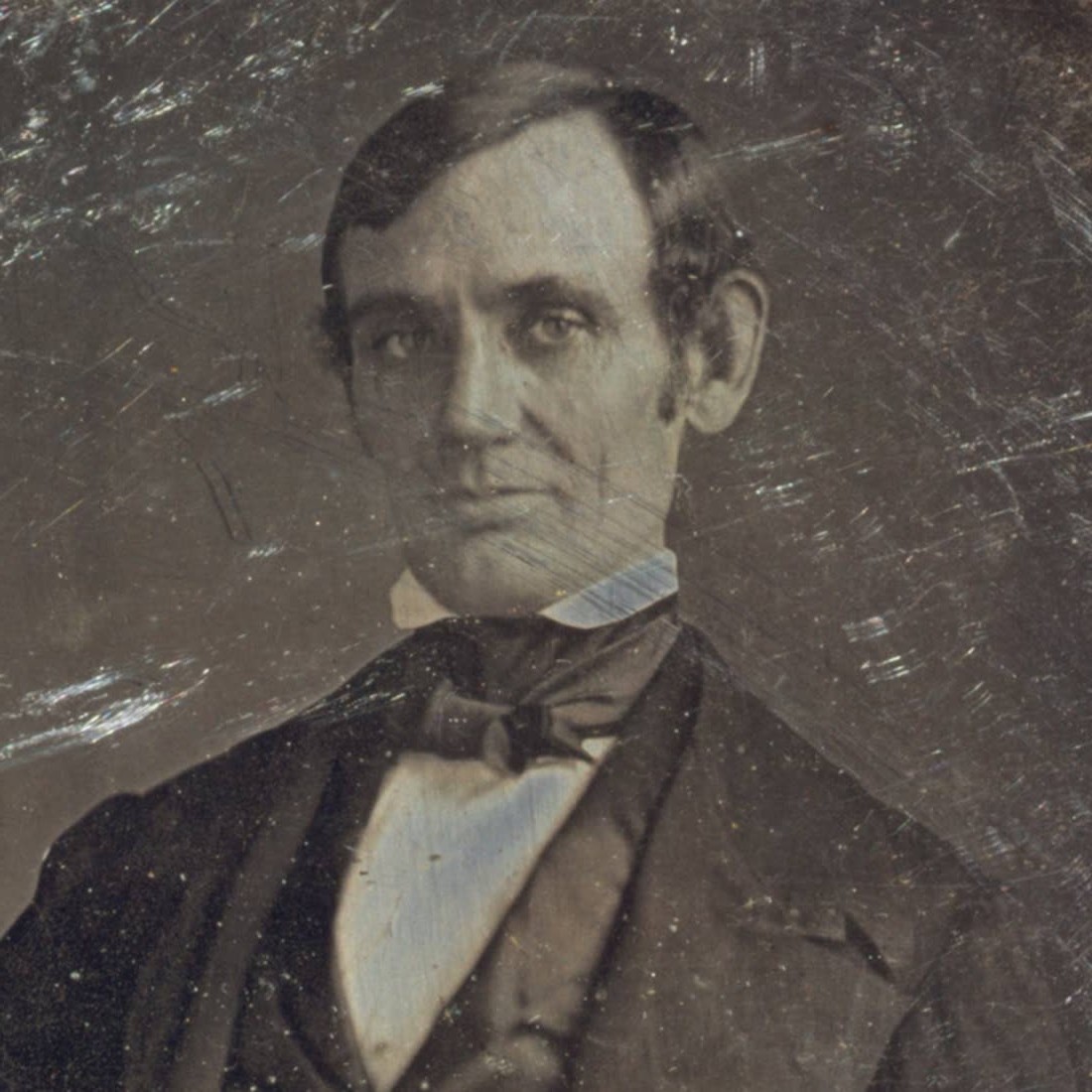
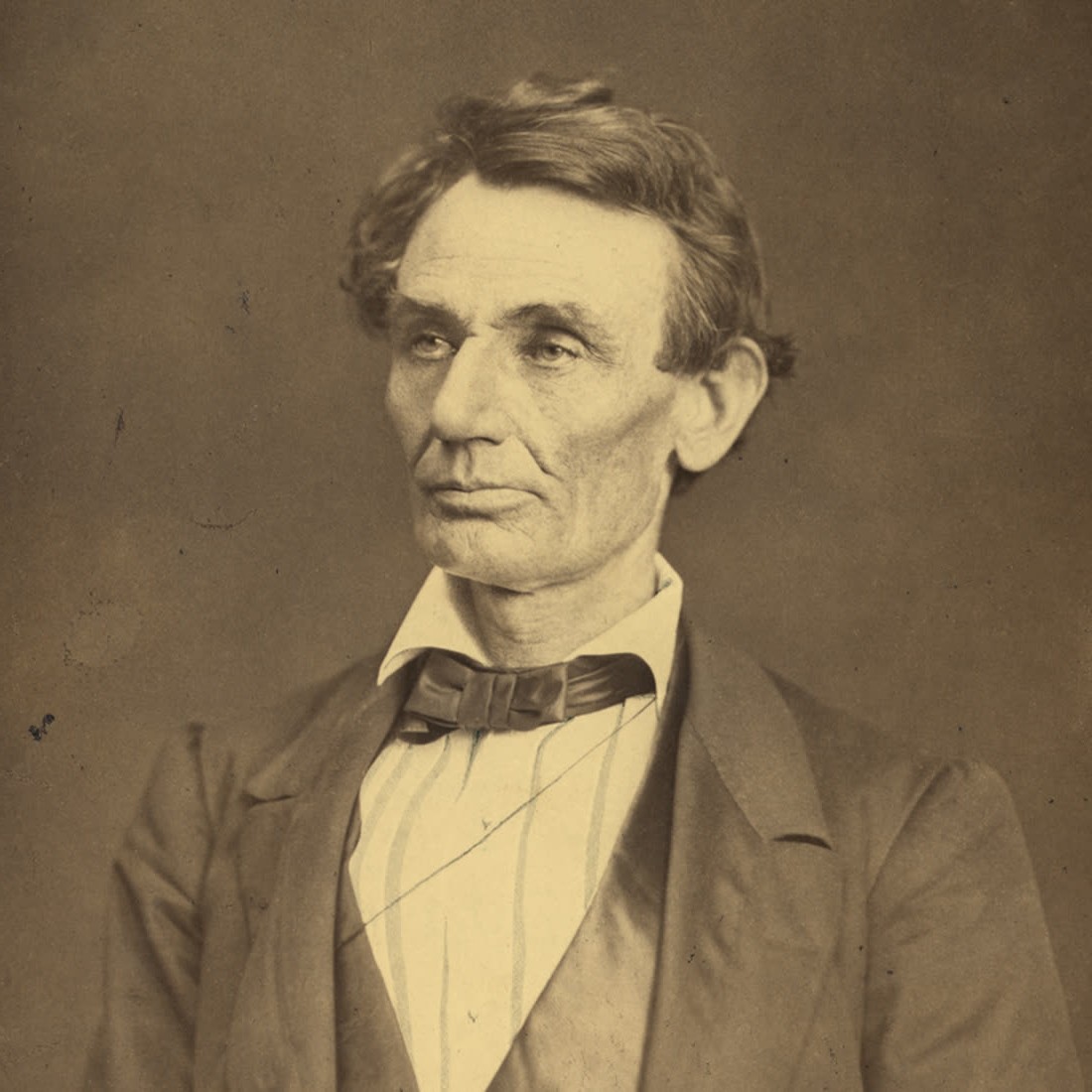
The 1846 nose scoops in, almost upturned, where the 1860 one and every other photograph is aquiline.
The images we trained on
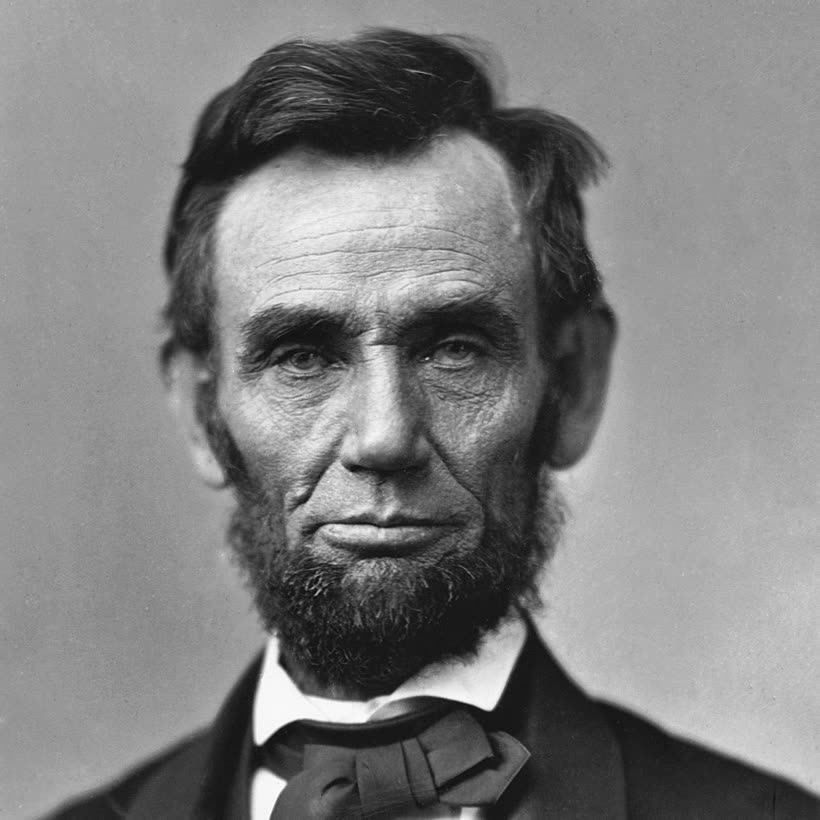
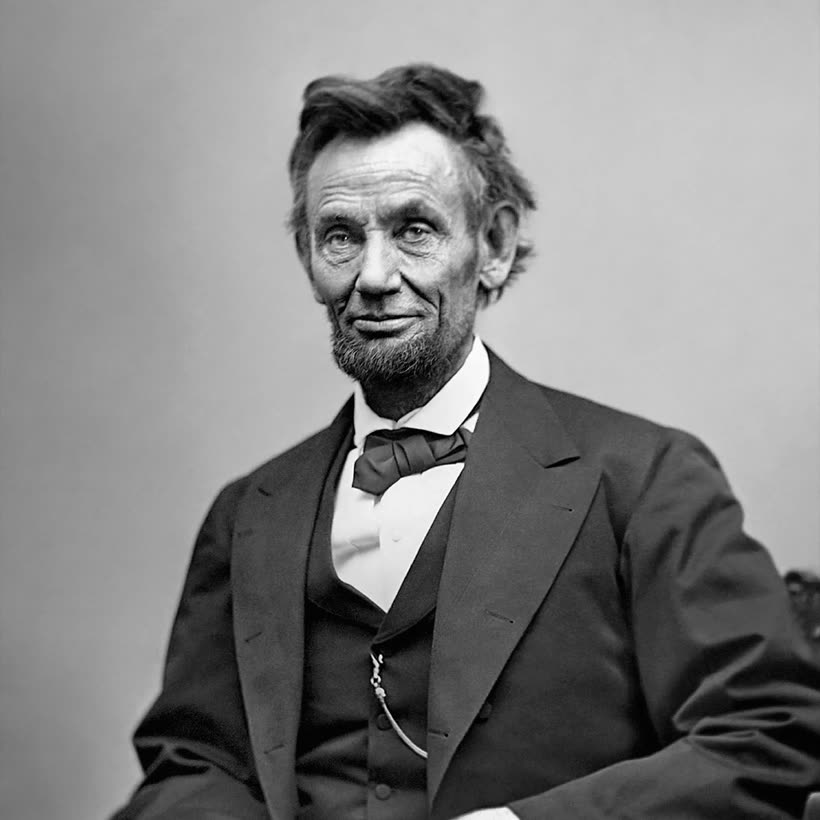
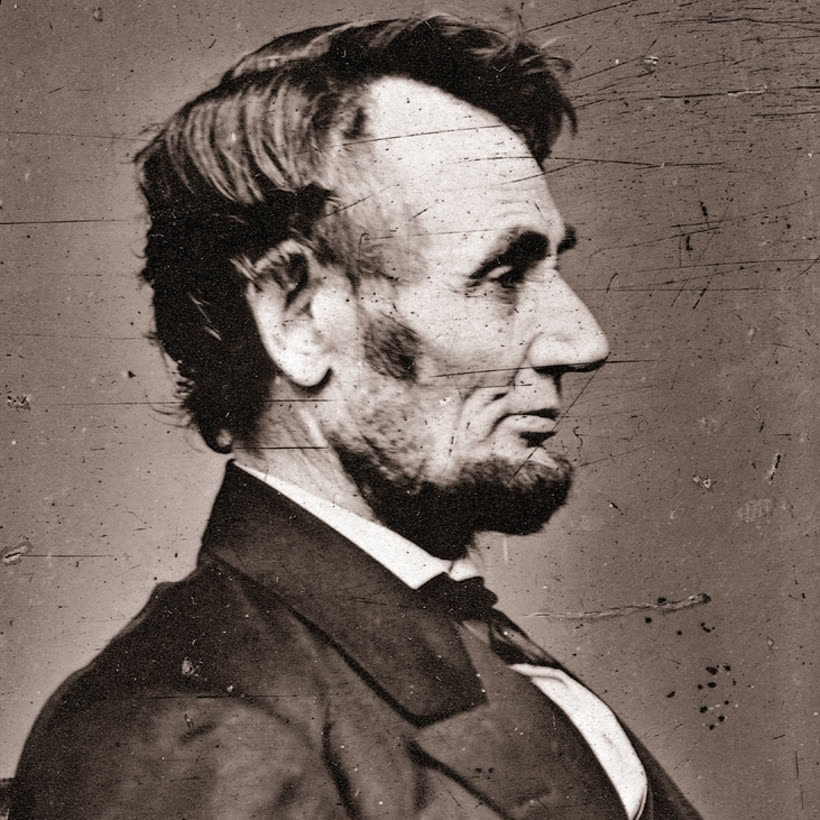
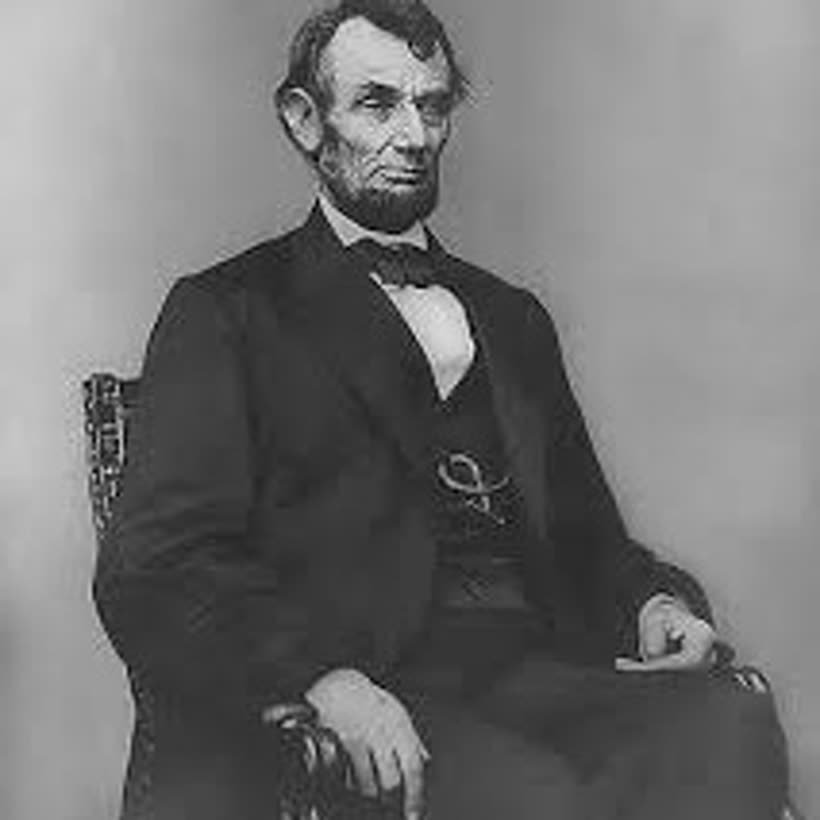
We worked from a set of real photographs of Lincoln, all taken after 1838. We used them for his bone structure and proportions, the features that change little with age, then de-aged his skin and filled out the face of a younger man.
Looks
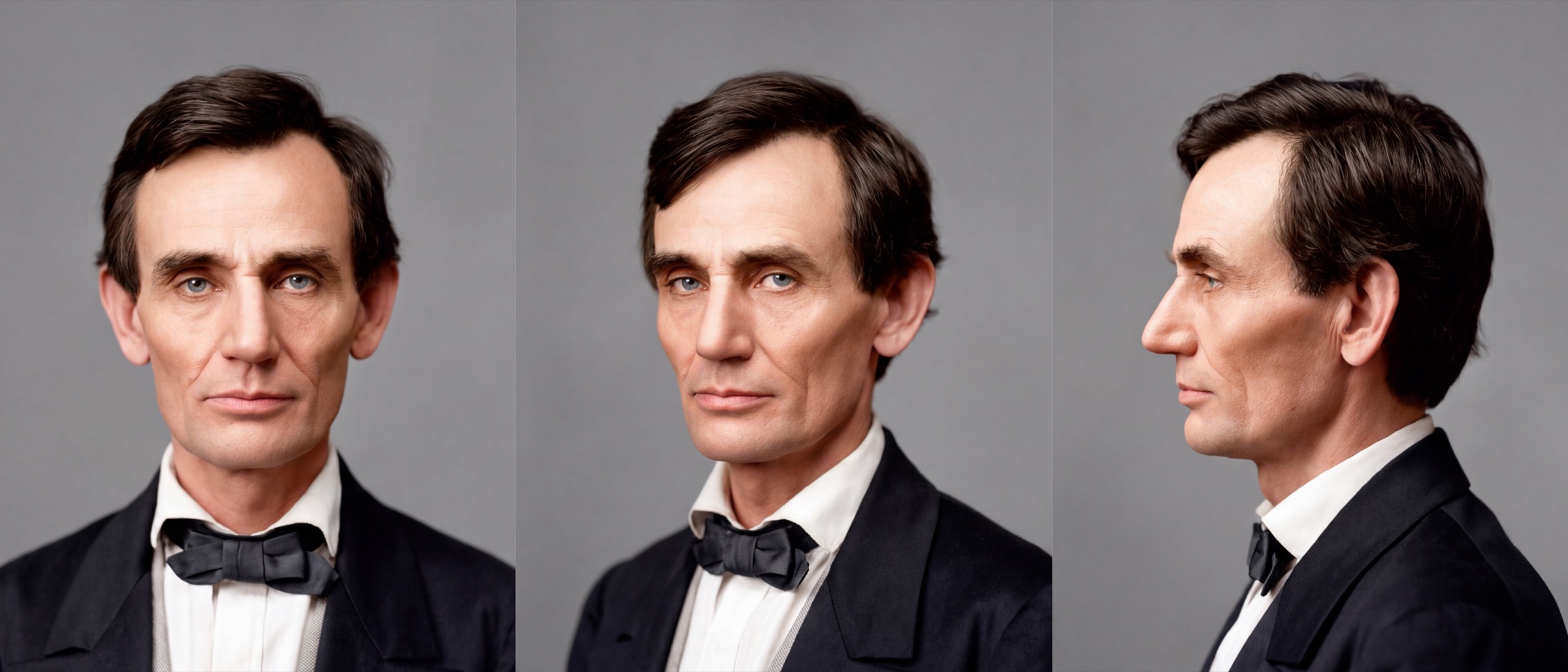
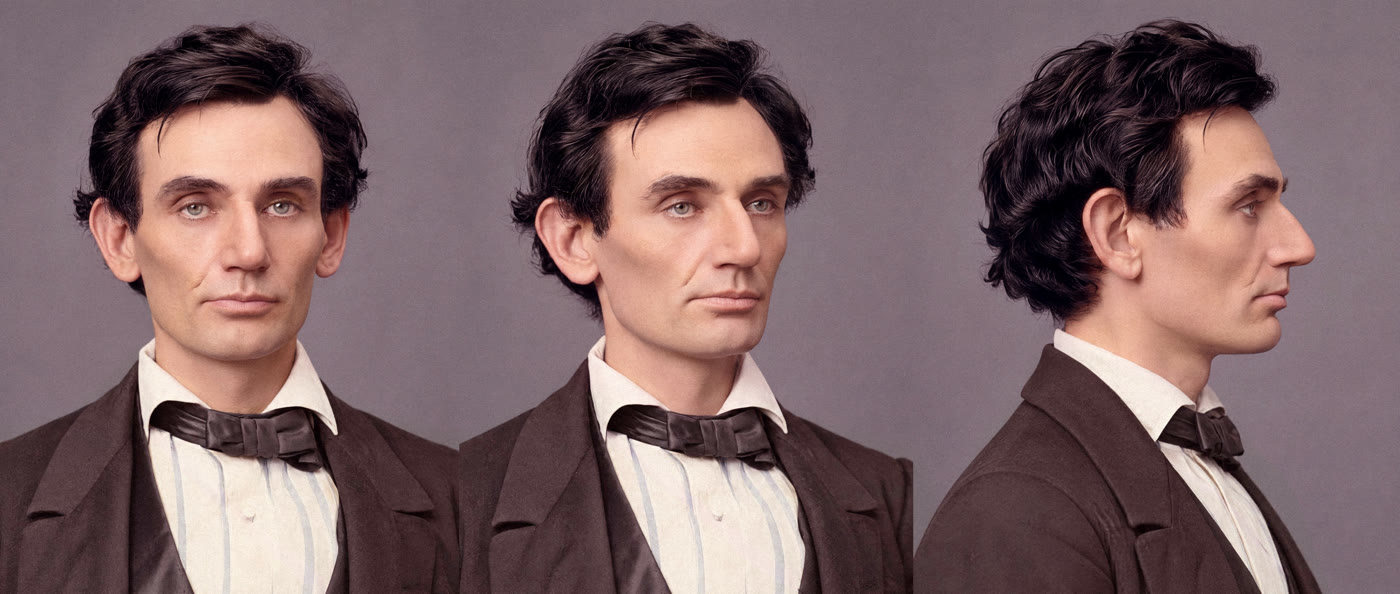
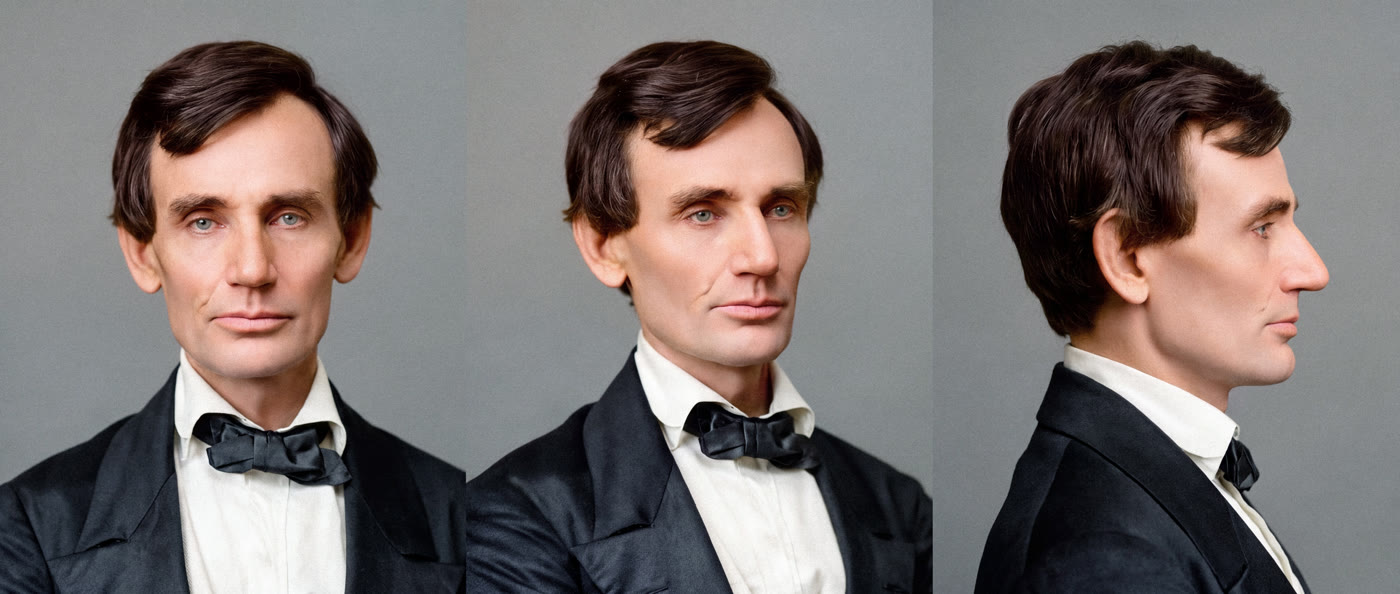
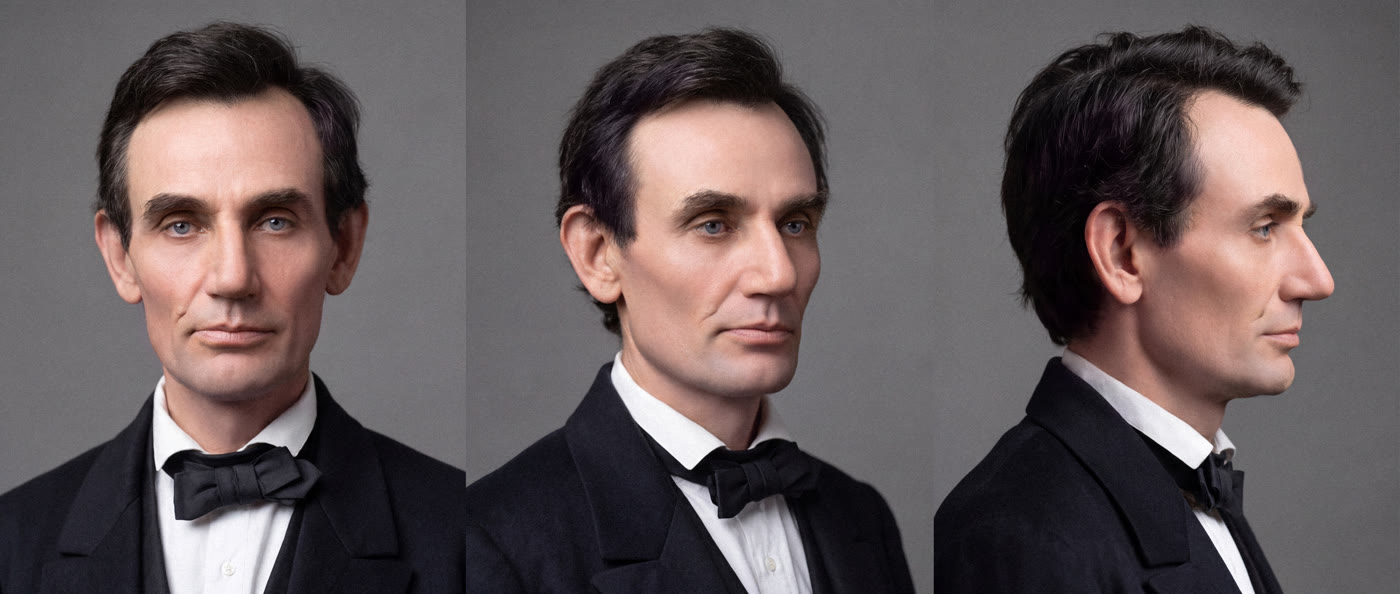
With that evidence in hand, we generated possible looks for how Lincoln may have appeared in 1838, each shown front, three-quarter and in profile.
Naturalistic
Warmer and plainer, with slightly softer features.
Formal
More composed, a bit more angular.
Classic
The most polished and stylized, the storybook Lincoln.
Process
How the face was made.
Teaching the model his face
We began with Google’s Gemini image model, but it knew Lincoln too well. It kept snapping back to the handful of famous portraits in its training and forcing every result into one fixed look, and no direction would move it off that.
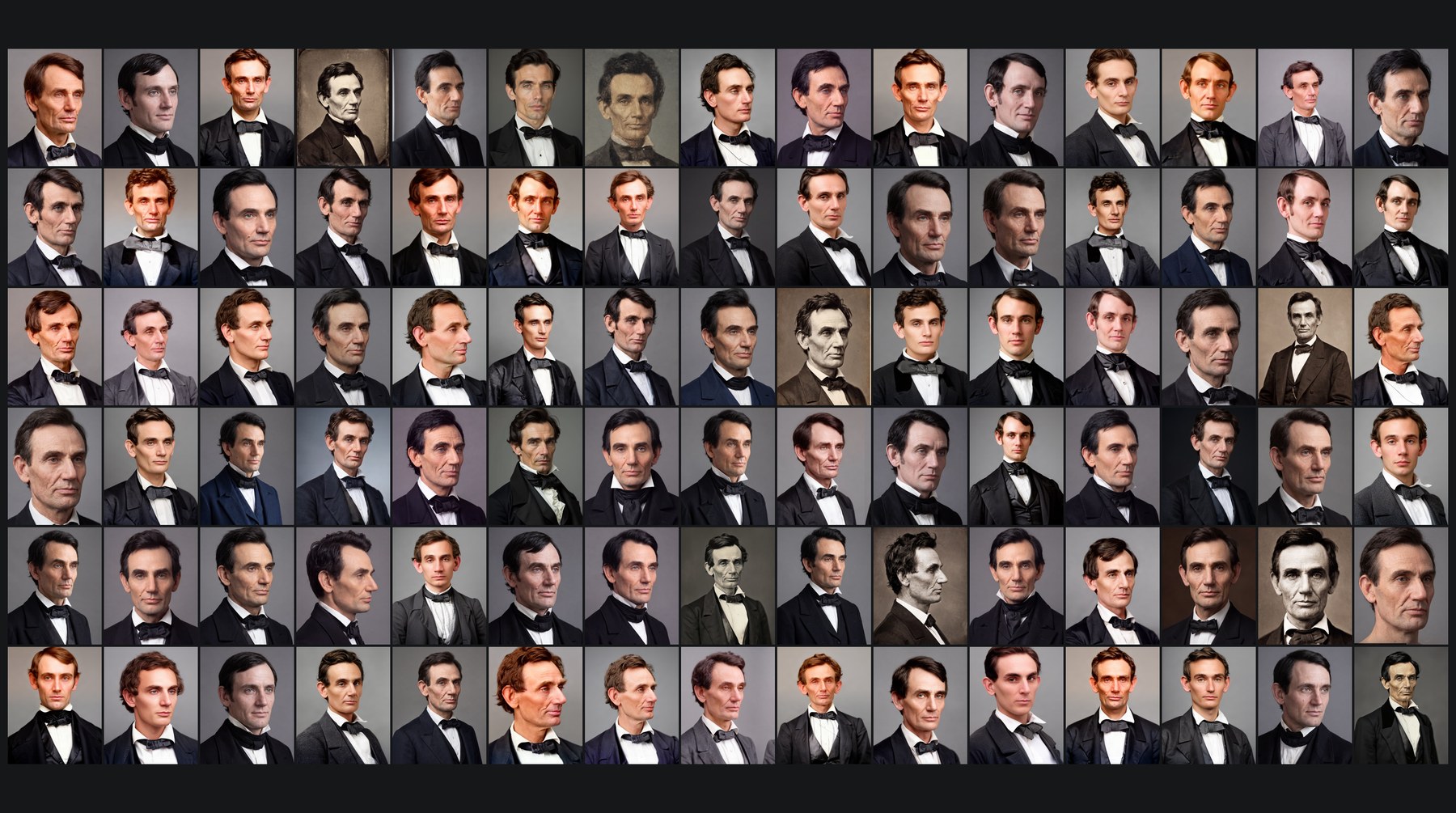
So we trained our own model, a LoRA, with FLUX.2, and generated faces that combine the characteristics of all the photographs, de-aged toward the younger man he was in 1838.
Refinement
Age. The de-aging often did not take enough years off, so those faces were passed back through the Gemini image model to soften them younger. That tended to over-correct and come out too smooth, so the younger skin was blended over the original by hand to keep real texture.
Eyes. Corrected to the cool grey that Lincoln, his secretary, and the painters who sat with him all recorded, against a model that kept drifting toward green.
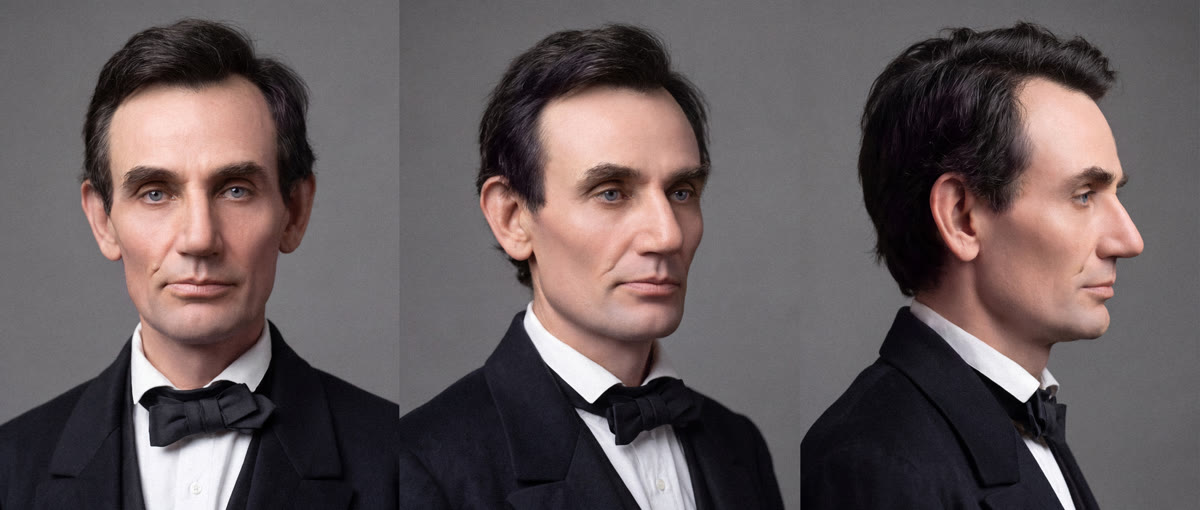
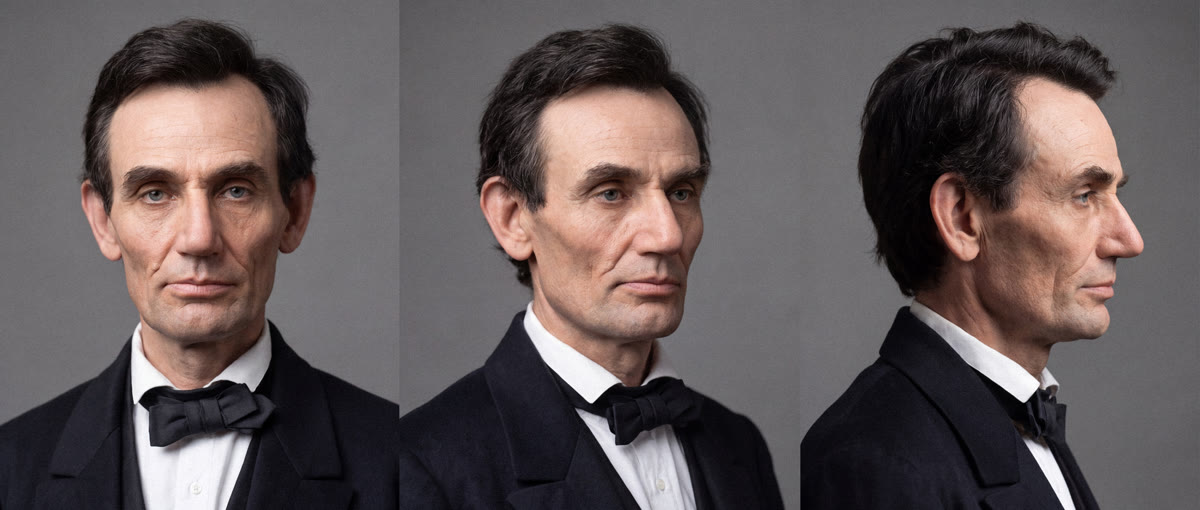
Iteration
A sample of some of the iterations.